How long will it run Dyness 5 кВт + PowerBrick Plus 16,07 кВт·год?
Required capacity = load × time ÷ 0.855: we use 90 % of capacity as a reserve and 95 % conversion efficiency. Battery-side power = battery voltage × the inverter's battery-input current (manufacturer data). This is a guide, not a guarantee: inrush currents, temperature and settings are not included.
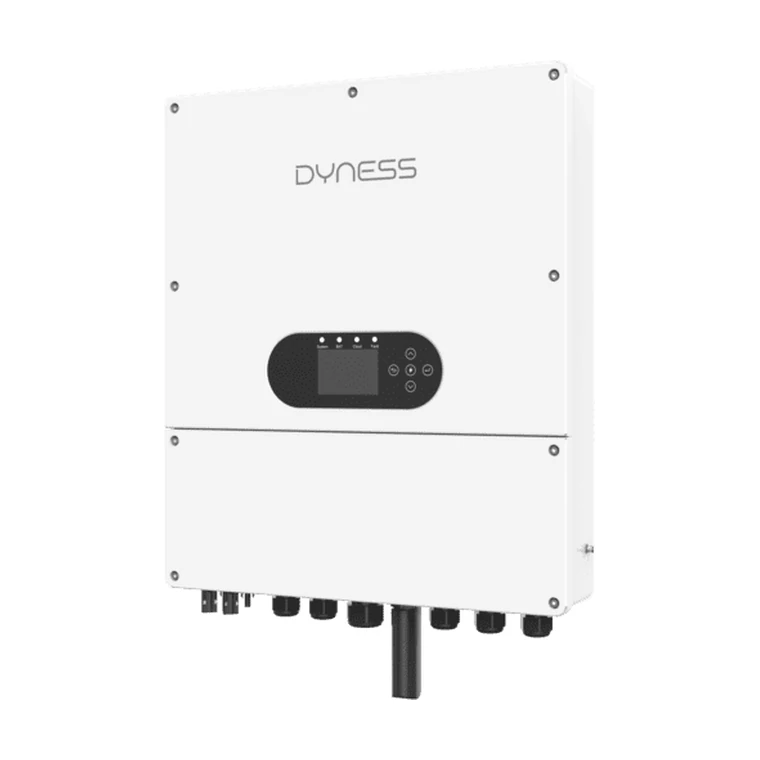
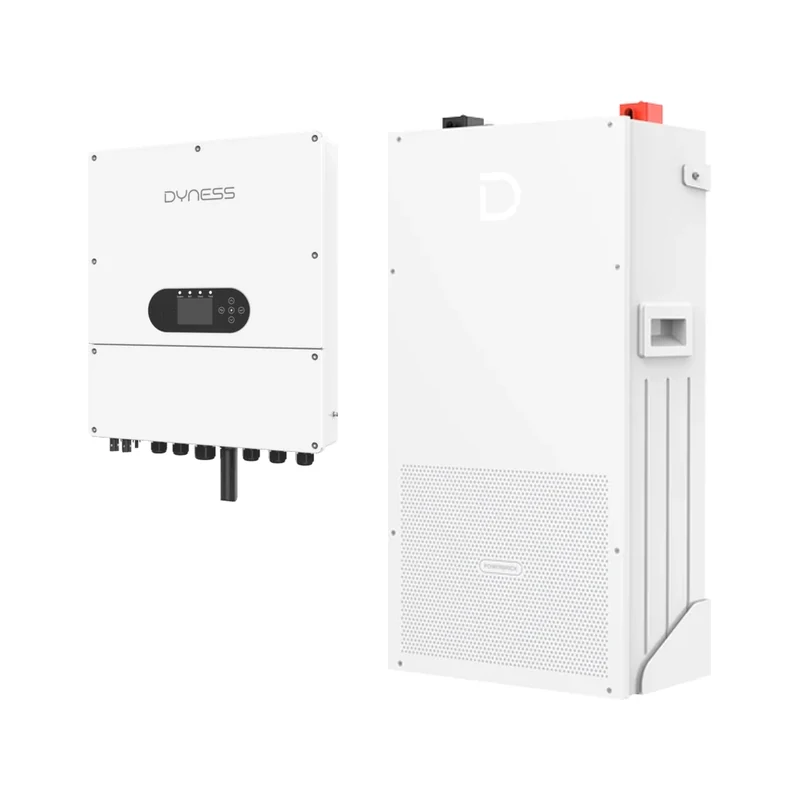
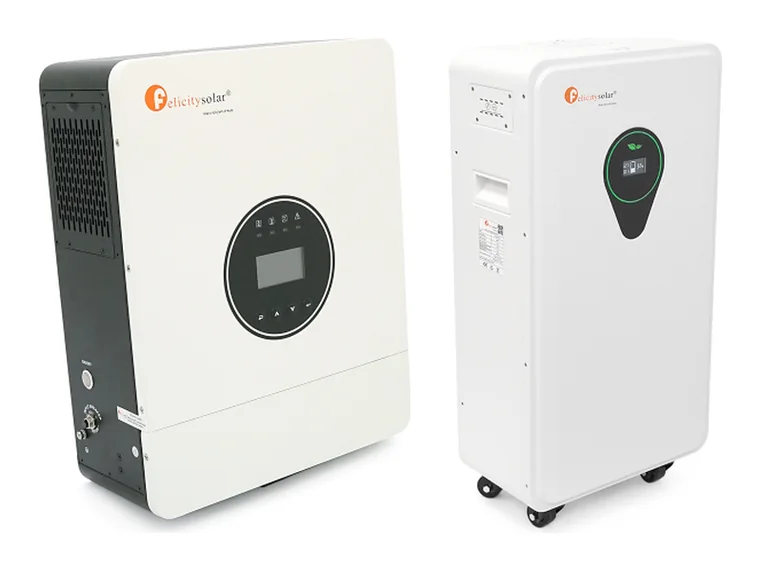
A single-phase Dyness kit for an apartment or house: a 5 kW Dyness D5.0K-LS hybrid inverter and a 16.07 kWh Dyness PowerBrick Plus low-voltage LiFePO₄ battery. The inverter and battery come from the same manufacturer, Dyness; the battery BMS connects to the inverter via CAN.
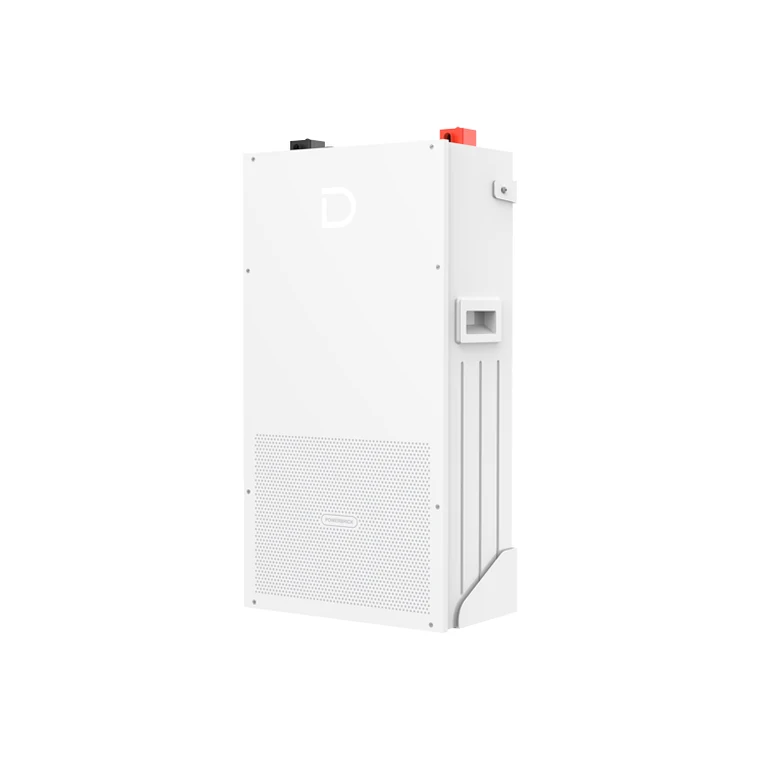
The inverter works with the grid, the battery and solar panels (2 MPPTs, up to 10 kW of panels, PV up to 600 V), switches loads to back-up in under 4 ms and has a generator input. The 314 Ah PowerBrick Plus battery offers 15.27 kWh of usable energy, a cycle life of 8000+ cycles, IP65 protection and a built-in aerosol fire extinguisher; it scales to 50 modules in parallel.
Features
5 kW inverter, 1 phase, IP66
2 MPPTs, up to 10 kW of solar panels
Back-up output 5.5 kVA, peak 10 kVA (10 s)
Switch to back-up in < 4 ms
16.07 kWh LiFePO₄ battery (15.27 usable), IP65
8000+ cycles, up to 50 batteries in parallel
Technical specifications
Inverter
Dyness D5.0K-LS
Phases
1 phase (220/230/240 V)
Rated AC power
5000 VA
Nominal grid voltage
220/230/240 V, L/N/PE
Max. charge / discharge power, W
5000/5500
Max. charge / discharge current, A
120
Battery voltage range, V
40-60
Max. PV input power, W
10000
Max. PV voltage, V
600
MPPTs / strings
2/1+1
Back-up output: max. continuous power
5500 VA
Back-up output: peak power
10000 VA, 10 s
Back-up switching time
<4 ms
AC input (generator): nominal / max. power, VA
5000/10000
Max. efficiency
97.6%
Parallel operation
up to 16 inverters
Communication interfaces (inverter)
BMS (CAN), EMS (RS485, Modbus), meter (RS485), DRED/RCR (DI), remote shutdown (DI), dry contact (DO), Wi-Fi, LAN
Ingress protection (inverter)
IP 66
Dimensions (W×H×D), mm (inverter)
501×586×193
Weight, kg (inverter)
17
Battery
Dyness PowerBrick Plus
Battery type
LiFePO₄
Nominal capacity, Ah
314
Nominal voltage, V
51.2
Operating voltage range, V
44.8–57.6
Nominal energy
16.07 kWh
Usable energy
15.27 kWh
Depth of discharge (DoD)
95%
Recommended charge / discharge current, A
140
Max. charge / discharge current, A
200 / 200
Peak discharge current
300 A for 2 min (25 °C)
Recommended charge / discharge power
7.168 kW
Max. charge / discharge power
10.24 kW
Cycle life
≥8000 cycles (0.2C, 25 °C, 95% DoD, 70% EOL)
Inverter communication
CAN / RS485
Monitoring
Wi-Fi + app
Parallel connection
up to 50 modules
Charging temperature
0…+55 °C (−20…+55 °C with optional self-heating)
Discharging temperature
−20…+55 °C
Ingress protection (battery)
IP65
Installation (battery)
Floor-mounted or wall-mounted
Fire safety
Built-in aerosol fire extinguisher
Dimensions (W×D×H), mm (battery)
435×235×850
Weight (battery)
119 kg
Certificates
UN38.3, IEC 62619
Warranty (battery)
10 years (per Dyness warranty letter)
Deye manufacturer data. Confirm the configuration before ordering.
Installation space
How much space the kit needs: the layout we use on our sites, clearances per the manufacturer’s manual. Approximate figures; the exact layout is agreed during the site visit.
Battery on the floor, the inverter’s small breaker box above it, inverter on the wall above. Dashed areas are the manufacturer’s clearances.
Layout
battery on the floor, the inverter’s small breaker box above it, inverter on the wall above
Width
≈ 0.50 m (battery ≈ 0.43 m, inverter ≈ 0.50 m); with the side clearances of the inverter ≈ 1.50 m
Equipment height
≈ 1.94 m
Free wall height
≈ 2.44 m
Depth from the wall
≈ 0.23 m + 1 m free access in front
Floor area for batteries
≈ 0.43 × 0.23 m
Total equipment weight
≈ 136 kg (batteries ≈ 119 kg)
How the width is calculated
widest item — inverter 501 mm; inverter 501 + 2 × 500 at the sides = 1 501 mm
How the height is calculated
battery 850 + breaker zone 500 (box 200 + 50 to battery and inverter; not less than the inverter’s bottom clearance 500) + inverter 586 = 1 936 mm; + 500 free above the inverter = 2 436 mm
Clearances around the inverter: Dyness gives no clearances in the manual text, so 50 cm is used, as for Deye. The size of the inverter’s breaker box (height 200 mm; a small box between inverter and battery, not the main panel), 50 mm from it to the battery and the inverter and 100 mm between battery columns are our assumptions for a typical installation, not manufacturer data. Equipment sizes and weights are from the manufacturers’ datasheets. Cable trays, room ventilation and floor load for heavy batteries are checked during the site visit.
A Dyness D5.0K-LS hybrid inverter and a Dyness PowerBrick Plus battery. We select cables, switchgear and protection to suit your distribution board.
How much energy does PowerBrick Plus provide?
Rated energy is 16.07 kWh, usable (DoD 95%) 15.27 kWh. The recommended charge and discharge current is 140 A (≈ 7.2 kW), the maximum 200 A (≈ 10.2 kW).
Can the battery be installed outdoors?
PowerBrick Plus is IP65 rated and mounts on the floor or a wall. Without the heating option it charges at 0…+55 °C and discharges at −20…+55 °C; we agree on the installation spot during the site visit.
How many hours will the kit run during a blackout?
It depends on the average load and system settings. Use the autonomy calculator or send a request and we'll calculate it for your list of appliances.
Can solar panels be added?
Yes. The inverter has 2 MPPT trackers and accepts up to 10 kW of panels at PV voltage up to 600 V.
What is included in the price?
The price is for the equipment, excl. VAT, and equals the sum of the inverter and battery prices. Cables, switchgear, protection, installation and setup are calculated after a site visit or from a photo of the distribution board.
[→] — Request
Tell us about your property
We will select the configuration, check compatibility and calculate the cost with installation.
Photos of the distribution board, a list of appliances or a roof plan are easier to send by e-mail. Planning an installation? Fill in the technical brief — for a home or a business.